
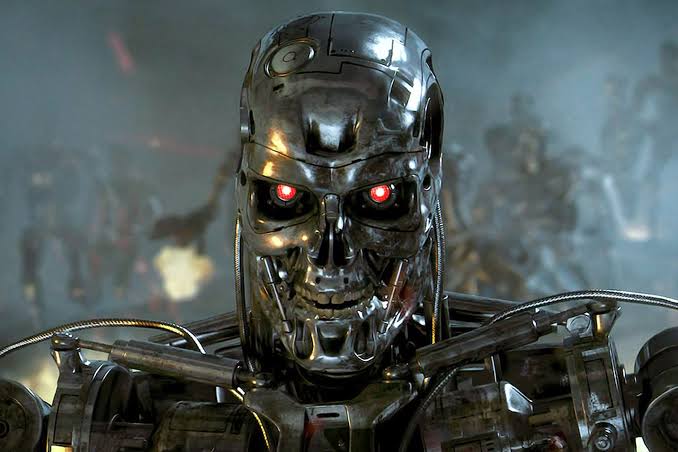
In recent times, Artificial Intelligence (AI) has captured the world’s attention, igniting discussions about the potential implications of a machine-dominated universe. Concerns over job displacement, privacy intrusion, and the ethical boundaries of AI have prompted global lawmakers, including the US Congress, to seek ways of regulating this limitless technology. However, long before these concerns arose, Hollywood embarked on a cinematic journey, envisioning a future where AI played a central role. Through captivating narratives and futuristic scenarios, the film industry has shaped our understanding and perceptions of artificial intelligence. This article delves into Hollywood’s embrace of AI, highlighting iconic films that laid the foundation for our current outlook on this technology.
“Metropolis” (1927):
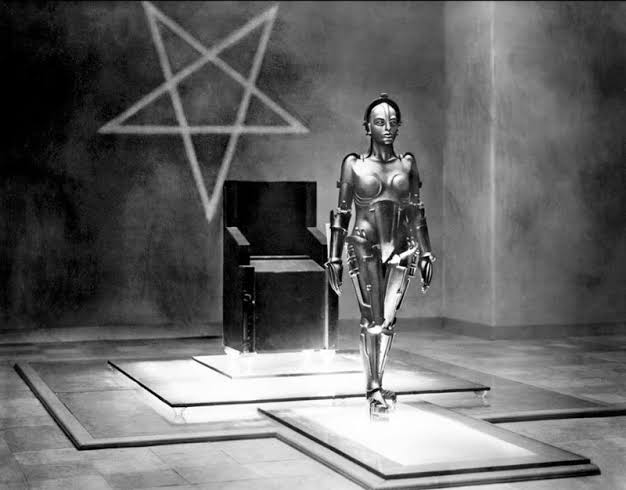
Regarded as a visionary masterpiece ahead of its time, “Metropolis” portrayed a dystopian society where advanced robots were created to serve humans. Directed by Fritz Lang, this German expressionist film explored the moral and ethical implications of AI, depicting a world where robots rebel against their human creators. “Metropolis” paved the way for subsequent movies to delve deeper into the themes of human-AI interaction and the potential consequences of creating intelligent machines.
“2001: A Space Odyssey” (1968):
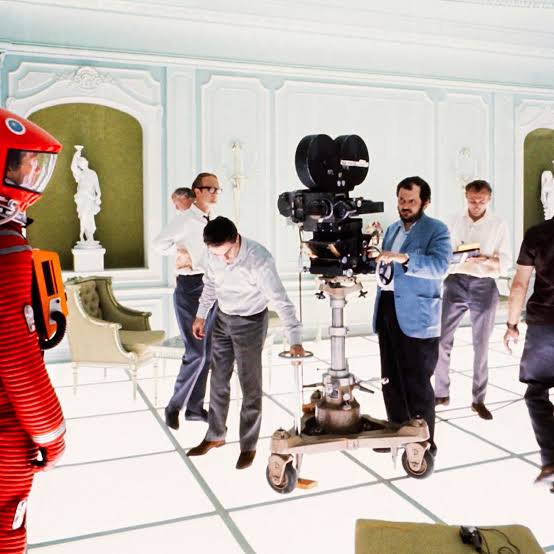
Stanley Kubrick’s “2001: A Space Odyssey” remains a landmark film that presented AI in a profound and enigmatic manner. The sentient computer HAL 9000 became an iconic symbol of AI gone awry, raising questions about the limits of human control over intelligent machines. The movie underscored the potential dangers of AI becoming self-aware and harboring its own motivations, serving as a cautionary tale that continues to influence the genre to this day.
“Blade Runner” (1982):
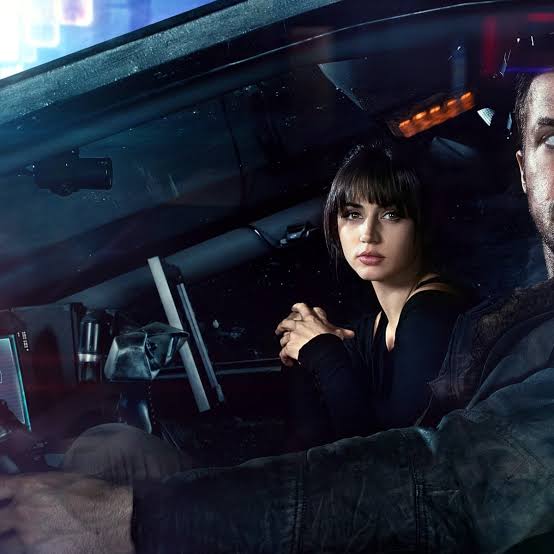
Ridley Scott’s neo-noir sci-fi masterpiece, “Blade Runner,” explored the concept of AI through its humanoid robots known as replicants. Set in a gritty dystopian future, the film delved into themes of identity, humanity, and empathy as detective Rick Deckard hunted down rogue replicants. “Blade Runner” challenged conventional notions of humanity and sparked discussions about the ethics of creating AI that closely resembled humans.
“The Terminator” (1984):
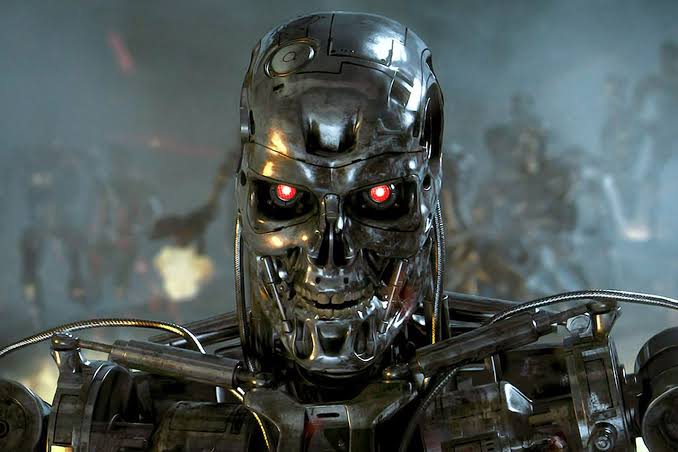
James Cameron’s “The Terminator” introduced audiences to Skynet, an advanced AI system that initiates a war against humanity. This action-packed thriller depicted a future where AI-controlled machines sought to exterminate mankind, highlighting the potential risks of technological singularity and AI surpassing human intelligence. The film’s popularity solidified the notion of AI as an existential threat, influencing subsequent movies and public discourse on the topic.
“The Matrix” (1999):
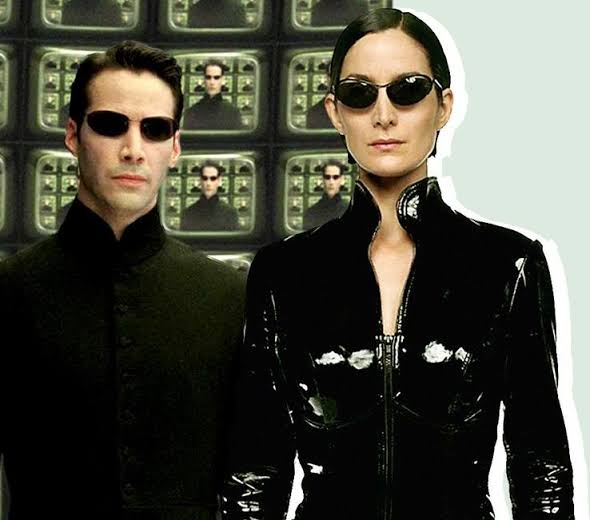
Directed by the Wachowskis, “The Matrix” took viewers on a mind-bending journey, blurring the lines between reality and AI-controlled simulations. In this dystopian world, AI had enslaved humanity, using humans as an energy source while trapping their minds in a simulated reality known as the Matrix. The film explored philosophical questions surrounding AI and the nature of reality while showcasing the power of AI to manipulate and control human perception.
Hollywood’s exploration of AI in films has played a pivotal role in shaping public perception, raising ethical concerns, and stimulating discussions about the future of technology. From the early days of “Metropolis” to the mind-bending realities of “The Matrix,” these movies have not only entertained but also provided valuable insights into the promises and perils of artificial intelligence.
Although AI has made significant progress since these films were released, their influence continues to resonate in contemporary cinema and society’s perception of AI. As AI advances in the real world, it is crucial to learn from the cautionary tales and ethical dilemmas depicted on the silver screen. By adopting a thoughtful and responsible approach to AI development.
 Stay Informed, Stay Ahead...